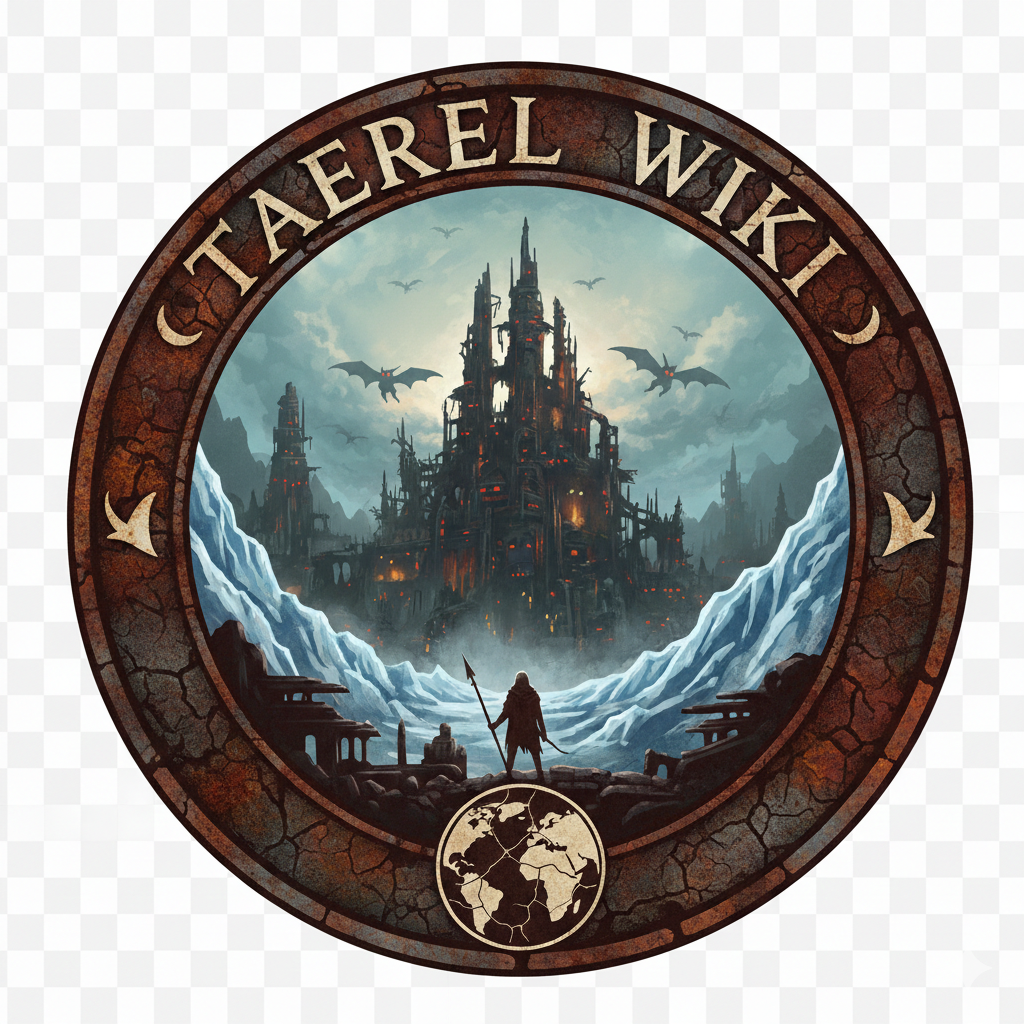
Sveiaf Calcareous Grassland
History
Historical Overview
History by Age
Stone Age: Before 1E 0
Copper Age: 1E 1-1E 2200
Bronze Age: 1E 2200-1E 4400
Iron Age: 2E 0-2E 700
Ancient Age: 2E 700-2E 2200
Middle Ages: 3E 0-3E 2050
Early Modern Age: 3E 2050-3E 2600
Industrial Age: 3E 2600-3E 2700
Machine Age: 3E 2700-3E 2800
Atomic Age: 3E 2800-3E 2850
Space Age: 3E 2850-3E 2875
Information Age: 3E 2875-3E 2900
Genetic Age: 3E 2950-3E 3000
Awakening Age: 3E 3000-3E 3415
Twilight Age: 4E 0-4E 500
Geography
In a valley near the western mountains of the largest continent, the calcareous grassland of Sveiaf was always a land of shifting tides. While flat and rather unassuming in its simple beauty, the region was initially broken up into seven sectors between seven different warlike tribes. They positioned their villages and bases in the most strategic locations to contend with each other in the near constant war for control. When the tribes began being attacked from outside as well, it caused a few to merge into larger tribes to survive.
This back and forth and merges made the layout of the settlements shift along with the shift in power. Villages gave way to towns as they grew in size and power. And then Wotylkki Katagamiama and his mercenaries helped lay waste to the remaining war tribes. They destroyed every settlement and base they could find as they completed their contract. When the fighting was finished Katagamiama and his men combined with the survivors and built a vast capital city and stronghold near to the mountains. The city, called Jarninnv, takes up only a seventh of the territory and is visible from the distant regional borders.
The city is built to be able to withstand nearly every type of attack as well as with vault style storehouses below the central spires of the city. The walls are smooth and bladed, with battlements well equipped to launch heavy ranged attacks to nearly every visible angle and hidden sloughs to send liquid metal and other hot liquids down into the siege lines. Directly under the walls there are jagged spikes under the soil to prevent burrowing. The different tiers of the city each has similar walls and the tall central spire is home to the best archers to prevent attacks from every possible direction.
As the nation grew and expanded outside the boundaries of the region, smaller towns and villages began dotting the otherwise unremarkable landscape. But when the Xerea Empire encountered the nation of Sveiaf attempting to expand into their territory, the mighty and selfishly ambitious Empire marched into the calcareous grassland that housed their capital and most of their citizens in towns and villages. They sacked the outlying settlements and laid siege to Jarninnv for nearly two years before leaving the city with a warning about going into imperial territory.
Such sieges happened several times as the two kingdoms clashed over expansion. This caused the city to build a pit around their outer wall as well as traps in the vast flat grassland they controlled. When the Xerea Empire fell and the kin'toni plague swept through the world, the area lost most of its vegetation due to the flood of ravenous creatures looking for blood. The city locked itself down and fought back with every tactic they had been trained in. The bloodthirsty kin'toni got their desire, but it wasn’t how they had imagined it.
The flatlands were drenched in the tainted blood of the hordes of kin'toni. All the while Jarninnv remained secured and safe.
Plants
The calcareous grassland of Sveiaf has never had much of a diverse vegetation due to the tin chalky soil and the constant strife between the different tribes that called the region home. The wars fought in the region has kept the shrubs and grasses and flowers from ever being tamed yet they’ve also never been able to grow well. During the warring period, the land was drench in blood and fed the corpses of the slain. This caused sections of the vegetation to lose its ability to grow in the location of the burial spots. The tribes often got their resources elsewhere, which brought trouble in the form of mercenaries.
This perpetuated the warfare until the time of building of the city of Jarninnv. The construction pushed out much of the vegetation in the spot where the city was built. The years of relative calm that followed allowed the vegetation to evenly grow and thrive as much as it could in the thin soil. Over the years other towns and villages were built throughout the region and again caused the vegetation to adjust to the new boundaries. Then came the Xerea Empire, who sacked the towns and villages and scorched the land in a show of force before laying siege to the capital city.
Much of the land recovered slowly after the tactics of the Empire, only to be further destroyed by the bloodbath that the kin'toni horde caused by attacking the formidable city and failing to breech it. One of the common flowering plants of the region of Sveiaf is the bathutekor. The hearty rooted plant is recognised by the erect stem and the blood red tipped white petaled flower. The flower grows mainly on the southern sector of the region and for a time was the symbol of the southern war tribe. After the establishment of the United nation of Sveiaf, the flower became the symbol for the country and all its trade goods.
The flower itself is used in decoration and to create a pink dye. And in mainly ways went from being a symbol of war into just another pretty flower one might find in a market place. When the warriors leave for battle or return from them, the streets are covered in the petals. Another common plant that resides in the region is the anhardaalvik. This flowering herb is recognised for its long bladed leaves and clusters of pale blue flowers. The herb grew all over the region and so wasn’t indicative of any of the war tribes.
The flower petals are used to make dye that is used in the uniforms of the soldiers. The leaves are used in cooking and in baking. They add a bit of flavour and can help keep the breath nice and fresh. Due to its uses, the herb was used along with other herbs and spices in the trading of much needed resources and crops.
Animals
The calcareous grassland of Sveiaf is home to a small variety of animals that thrive mainly from the vegetation and off each other in terms of the carnivorous ones. Due to the chaos of the warring period, much of the wildlife was in a constant state of hiding or being hunted and killed for food. Horses were the only ones not at risk because the warring tribes often rode them into battle. The interactions with the mercenaries and the raiding of other regions have lead to the importation of birds and trainable carnivores to be used in warfare.
However these were not capable of surviving without the aid of the tribes because of the meagre nature of the local wildlife. When the city was established, other more domesticated animals were brought in and kept healthy through as the country grew in power. The invasion of the region by the forces of the Xerea Empire caused several of the local wildlife to become endangered and displaced due to the scorching of the land. The uneasy period after did little to help with the repopulation of the wildlife outside the city, and when the kin'toni hordes flooded into the region.
The local wildlife was hunted into extinction before the bloodthirsty creatures were forced to withdraw. The only things to repopulate the land were then scavenger carnivorous animals who had feasted well during the history of strife in the region. One of the animals that made their home in the calcareous grassland of Sveiaf is the the anyikka. This particular breed of kka is recognised by its dark brown coat, black markings, massive size, and wide hooves. They were originally used as the mounts by the different war tribes in the region because of their speed and power as well and their stature.
They were converted into the national mount of the established nation of Sveiaf. They became a recognisable figure in the world as the Sveiaf country pushed for expansion of their territory. Because of their history, the war horses are trained to never get too frightened to be uncontrollable. Even when being forced to charge towards lines do ravenous kin'toni warrior, the horses will not hesitate to rush forward despite the strong desire not to. One of the commonly spotted scavengers to feed well in the strife riddled region is the hirmathri.
This hypercarnivorous canine is known by its light brown fur wis mottled grey and white spots. The dog is often very thin and has a rectangular snout and big pointy ears. These lieforms survive only on the flesh of other creatures and primarily off the carcasses of the slain. They are skittish when they are alone, but when with a pack they are known to turn very aggressive. A pack of four of these beings are capable taking down a single full grown and armoured anyikka with very little difficulty.
Historical Timeline of Ages
| Age Name | Dates | Controller |
|---|---|---|
| Stone Age | Before 1E 0 | Unknown |
| Copper Age | 1E 1–1E 2200 | Unknown |
| Bronze Age | 1E 2200–1E 4400 | Unknown |
| Iron Age | 2E 0–2E 700 | Unknown |
| Ancient Age | 2E 700–2E 2200 | Unknown |
| Middle Age | 3E 0–3E 2050 | Unknown |
| Early Modern Age | 3E 2050–3E 2600 | Unknown |
| Industrial Age | 3E 2600–3E 2700 | Unknown |
| Machine Age | 3E 2700–3E 2800 | Unknown |
| Atomic Age | 3E 2800–3E 2850 | Unknown |
| Space Age | 3E 2850–3E 2875 | Unknown |
| Information Age | 3E 2875–3E 2900 | Unknown |
| Genetic Age | 3E 2950–3E 3000 | Unknown |
| Awakening Age | 3E 3000–3E 3415 | Unknown |
| Twilight Age | 4E 0–4E 500 | Jarninnv City Zu'Aan |
| Unknown | Unknown | Unknown |
 |
||
| Unknown |
 Sveiaf Calcareous Grassland Sveiaf Calcareous Grassland |
Unknown |
 |
||
| Unknown | Unknown | Unknown |
 This article is written by Xoishtar. Copyright 2026 Xoishtar. All rights reserved.